

How Supporting Local Farmers in Charlotte Improves Your Health and Community
It's easy to move through the grocery store on autopilot - grab what looks good, check the price, and move on. It's efficient. It's familiar. But somewhere between the fluorescent lights and the shrink-wrapped produce, something gets lost.
Walk into a farmers market and you feel the difference immediately. The colors are more vivid. Someone hands you a sample of something you've never tried before. The person who grew what you're holding is standing right there, and if you ask how it was grown, they'll actually tell you. It's a completely different experience - one that makes food feel like food again.
Charlotte has a genuinely strong local food scene, and it's worth slowing down for.
Here's why it matters, and how to make the most of it this season.
The Economic Impact of Supporting Local Producers
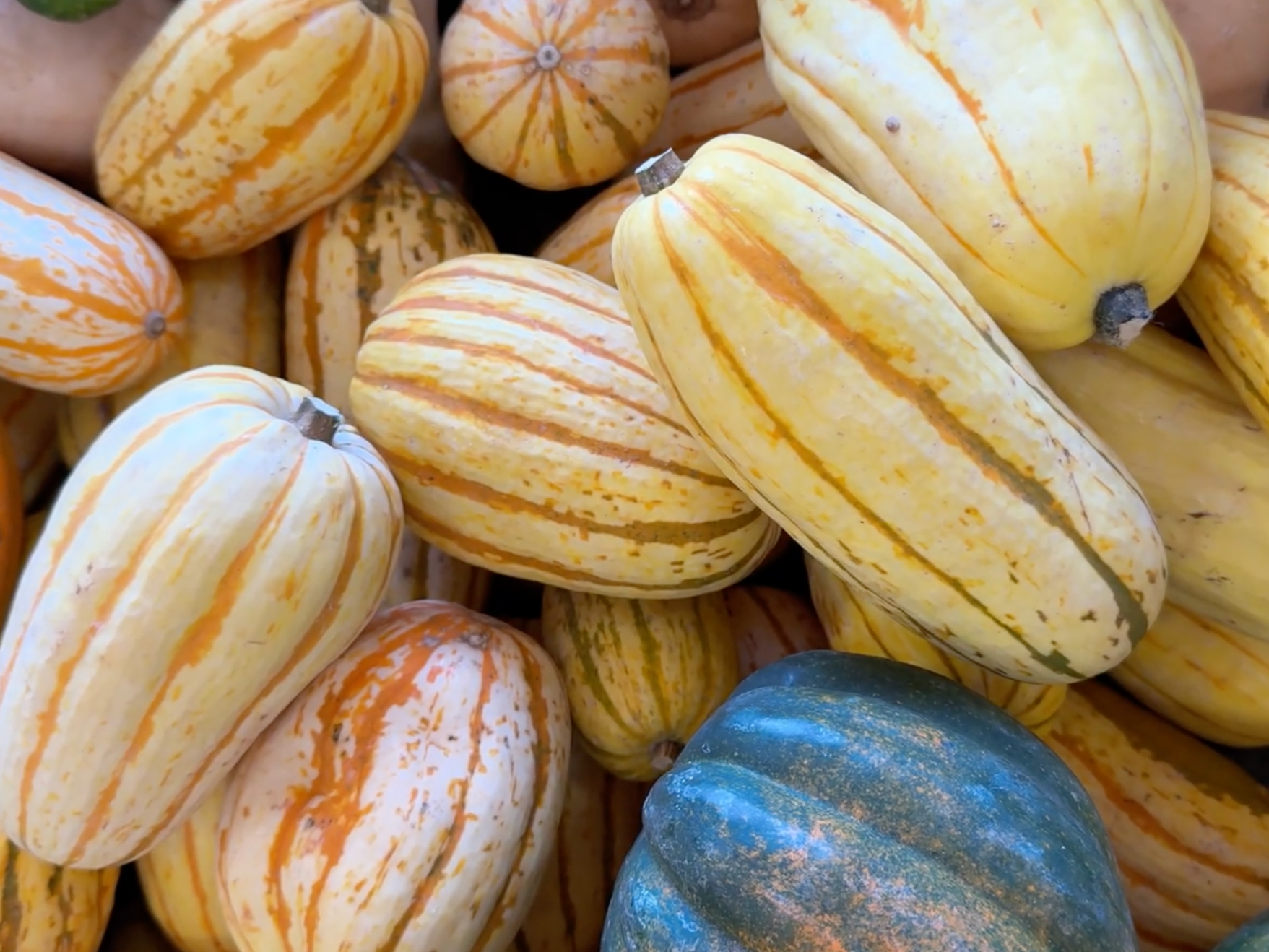
Agriculture and agribusiness are the largest industries in North Carolina, which means supporting local farmers and producers has a direct impact on the regional economy.
When you shop at a farmers market, your money stays closer to home. It supports local farms, small producers, artisans, growers, and family-run businesses that invest deeply in the quality of what they create.
Many small-scale producers don’t have the ability to distribute through large grocery retailers, making farmers markets one of the few places where they can directly connect with their community and share their products in a meaningful way.
At Copper & Thyme, building relationships with local producers is not just part of the process, it is a core part of how personal chef Alicia Charolle approaches every menu. Many of those producers are farmers and growers who care deeply about what they bring to the table, and that attention shows up in every ingredient. Supporting them helps preserve quality in the food system - and keeps it available for your table.
Why Local Food Is Better for Your Health
Produce grown for a grocery store is bred for durability, not flavor. It gets picked before it's ripe, travels hundreds or thousands of miles and sits in refrigerated storage before it ever reaches your kitchen.
By the time it gets there, some of what made it nutritious has already degraded.
Local food works differently. It's grown for peak season eating and harvested closer to the time you'll actually consume it. That means more of the vitamins, antioxidants, and phytonutrients that make fresh produce genuinely good for you are still intact. The strawberry that smells like a strawberry, the tomato with real weight and sweetness - those aren't just sensory pleasures. They're signs that the food is at its best.
As a personal chef, Alicia Charolle has seen firsthand how much the quality of an ingredient shapes the final dish. The best cooking technique in the world can't rescue produce that's already past its peak. Starting with something genuinely fresh, grown nearby and harvested at the right moment, changes what's possible in the kitchen - and what ends up benefiting your body.
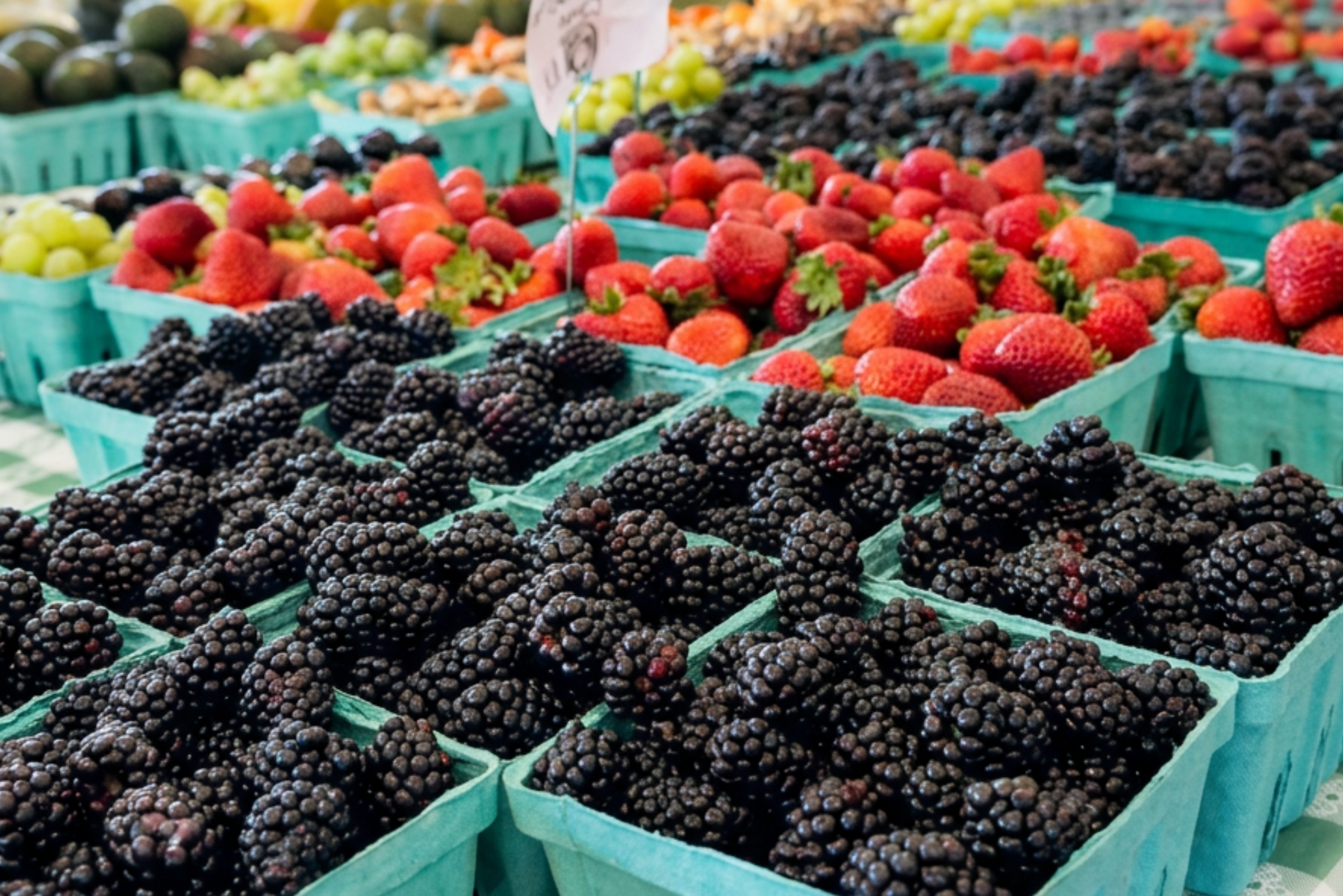
Seasonal eating also naturally introduces variety into your diet. When you're buying what's actually growing right now, you're not eating the same rotation of year-round staples. You're cycling through different nutrients as the seasons change, which is how our bodies were designed to eat in the first place.
Environmental Benefits of Buying Local
Food in the U.S. travels an average of 1,500 miles to reach your plate. That's a lot of fuel, refrigeration, and packaging - all before anyone even takes a bite.
Local food dramatically shortens that chain. Farms close to Charlotte mean less transportation, lower emissions, and far less plastic and packaging required to keep produce shelf-stable over long distances. Supporting local producers also gets you food that's grown with more care for the land, since smaller farms are often more invested in the long-term health of their soil than large industrial operations focused on yield.
Supporting local farms and producers, also helps preserve agricultural land. As Charlotte grows, the land around it is under constant pressure to become something else. When local farms are economically viable, that land stays in production. That's good for the environment, and it keeps the region more food-resilient for the future.
Our Take on Charlotte Farmers Markets
If you haven’t explored Charlotte’s farmers market scene, now is a great time to start.
Cotswold Farmers Market opens for the season on May 2nd. It's a neighborhood-scale market with a genuinely curated mix of vendors - the kind of place where you can actually get to know the people behind what you're buying. Expect seasonal produce, local eggs, artisan goods, and a market atmosphere that doesn't feel overwhelming. It's accessible, friendly, and a great place to start building your own local sourcing habits.
The Charlotte Regional Farmers Marketis a larger destination with more vendors and a broader range of offerings, and it runs year-round. If you want serious variety and the experience of moving through a full market, this is the place to spend a Saturday morning.
Both markets are worth adding to your regular routine. Even showing up once or twice to see what's available can shift the way you think about grocery shopping the rest of the week.
What to Actually Look for at the Farmers Market
Walking into a farmers market for the first time can feel a little overwhelming, especially if you're not sure what to look for or what's actually good right now.
Here's how to approach it the way a chef would.
Go early, but not too early. If you come in the first hour, you might find the best selection, but the second hour might have better deals. Find your sweet spot.
Follow color and smell, not familiarity. If something catches your eye because the color is unusually vivid, that's information. Pick it up and smell it. If it smells like something, it probably tastes like something.
Ask what's at its peak. Farmers know their product better than anyone. A simple "What are you most excited about right now?" will get you a better answer than anything else.
Buy what you don't recognize. The farmers market is one of the safest places to experiment. If you don't know how to cook something, ask. You'll almost always get a simple preparation that works.
Don't over-plan. The best approach to market shopping is to buy what looks exceptional and decide what to do with it later. Planning a specific recipe before you go often means forcing ingredients that aren't at their best into a dish that needs them. Let the produce lead.
See Charlotte's Farmers Markets Through a Chef's Eyes
If you've ever walked away from a market visit feeling a bit uncertain, wondering what to pick, how to handle unfamiliar ingredients, or what is actually at its seasonal peak, a Chef-Led Farmers Market Tour offers a way to move through the stalls with real purpose.
Chef-Led Farmers Market Tours with personal chef Alicia Charolle are designed to help you navigate the market with confidence - learning how to identify peak-season produce, connect with local vendors, and shop with a more thoughtful approach to food.
This same philosophy inspires Copper & Thyme’s private chef and meal prep services, where seasonal ingredients and local sourcing remain at the center of every menu.
Gift cards are also available for those looking to share the experience with someone else.
If you've ever wanted to see what happens when genuinely seasonal, thoughtfully sourced ingredients arrive in your own kitchen, Copper & Thyme would be honored to help you create that experience.
Save you spot for chef led tour of Charlotte Regional Farmers Market.
